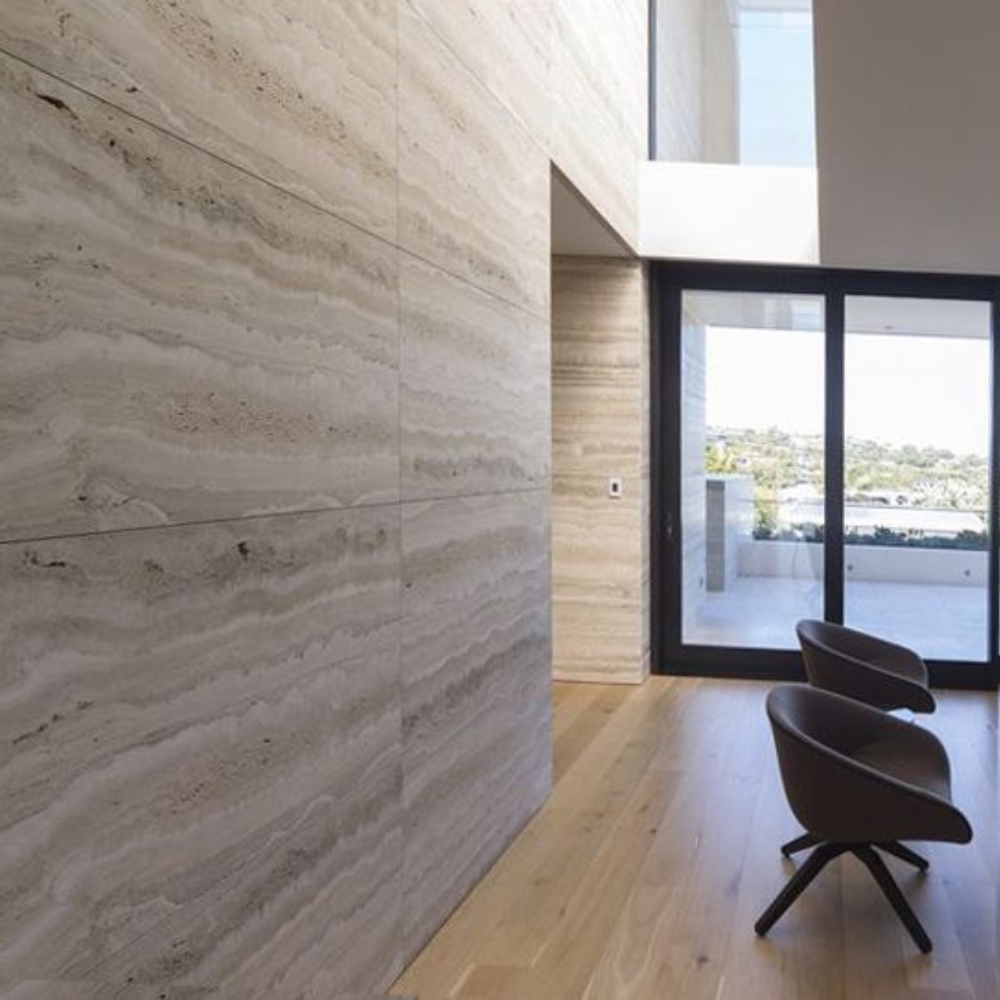
A Comprehensive Guide to Planning a Successful Natural Stone Project
Natural stone is one of the world’s most prestigious building materials, valued for its durability,
timeless beauty, and unique geological character. Whether used in residential developments,
commercial buildings, hospitality projects, public spaces, or luxury interiors, successful results
begin with careful project planning.
Unlike manufactured materials, every natural stone slab is unique in color, veining, texture, and
mineral composition. Because of these natural variations, planning plays a critical role in ensuring
that the finished project achieves both the desired aesthetic and long-term performance.
Effective project planning involves much more than selecting a stone. It includes evaluating project
requirements, choosing appropriate materials and finishes, coordinating fabrication, ensuring
structural compatibility, managing budgets and schedules, and planning for long-term maintenance.
A well-planned project minimizes delays, reduces material waste, controls costs, and ensures the
natural beauty of the stone is showcased to its fullest potential.
Understanding Project Requirements
Every successful project begins with a clear understanding of its objectives.
The intended use of the building, expected traffic levels, environmental conditions, architectural
style, maintenance expectations, and performance requirements all influence the selection of
natural stone.
Projects may require materials capable of withstanding heavy pedestrian traffic, extreme weather
conditions, continuous moisture exposure, or demanding commercial environments. Others may
prioritize visual impact, refined finishes, or distinctive architectural features.
Evaluating these requirements at the earliest stage allows architects, designers, contractors, and
clients to select materials that meet both aesthetic and functional expectations.
Material Selection
Choosing the appropriate natural stone is one of the most important decisions during project
planning.
Each stone possesses unique physical properties, visual characteristics, and performance
capabilities.
Granite is widely recognized for its exceptional durability and resistance to wear.
Quartzite combines remarkable strength with elegant natural veining.
Marble is valued for its timeless sophistication and luxurious appearance.
Limestone provides understated elegance through its soft textures and neutral colors.
Sandstone offers natural warmth and excellent performance in landscape and architectural
applications.
Travertine contributes timeless character with its distinctive texture and earthy tones.
Onyx is selected for exclusive decorative applications where its remarkable translucency creates
dramatic visual effects.
Selecting the right material requires balancing design intent, durability, maintenance requirements,
environmental exposure, and project budget.

Design Coordination
Natural stone should be considered as an integral component of the architectural design rather than
a finishing material added later in construction.
Early coordination allows designers to optimize slab sizes, joint locations, edge details, movement
patterns, lighting integration, and transitions between different materials.
For feature walls and decorative installations, designers often consider vein direction,
bookmatching opportunities, symmetry, and the visual flow of the stone throughout the space.
This collaborative approach produces more refined and visually cohesive architectural results
Slab Selection and Natural Variation
Every slab of natural stone is unique.
Variations in color, veining, crystal formations, fossils, mineral deposits, and natural movement are
characteristics created over millions of years during geological formation.
Rather than being considered imperfections, these variations are what distinguish natural stone
from manufactured materials.
Whenever possible, project teams should inspect and approve the actual slabs before fabrication
begins.
Reviewing slabs allows designers to determine vein direction, identify feature areas, coordinate
bookmatching, and ensure consistency throughout the project.
Surface Finishes
The surface finish significantly influences both the appearance and performance of natural stone.
Polished finishes create reflective surfaces that enhance depth and color.
Honed finishes provide a smooth, matte appearance suitable for contemporary architecture.
Leathered and brushed finishes emphasize the stone’s natural texture while reducing visible
reflections.
Flamed, bush-hammered, and sandblasted finishes improve slip resistance and are commonly
specified for exterior environments and public spaces.
Selecting the appropriate finish should always consider the intended application, environmental
conditions, maintenance requirements, and desired aesthetic.

Fabrication Planning
Natural stone fabrication transforms raw slabs into precisely manufactured architectural
components.
Detailed fabrication planning includes determining dimensions, edge profiles, thicknesses, joint
locations, cut-outs, openings, mitred details, reinforcement requirements, and installation
tolerances.
Modern CNC technology and precision stone-processing equipment enable complex architectural
designs while maintaining high levels of accuracy and consistency.
Careful fabrication planning minimizes waste, improves installation efficiency, and preserves the
visual continuity of the stone.
Structural Considerations
Natural stone is a substantial construction material, and its weight must be considered during
project planning.
Supporting structures should be designed to safely accommodate the loads imposed by stone
flooring, wall cladding, facades, staircases, and other architectural elements.
Large-format panels, suspended cladding systems, feature walls, and backlit installations may
require specialized engineering solutions and fixing systems.
Close coordination between architects, structural engineers, and stone specialists helps ensure the
installation meets all performance and safety requirements.
Budget Planning
Natural stone represents a long-term investment in quality and architectural value.
Project budgets should account for every stage of the process, including material procurement,
transportation, slab inspection, fabrication, finishing, installation, sealing, maintenance, and
contingency allowances.
Additional costs may arise from premium stone selections, complex fabrication details, custom
finishes, bookmatching, oversized panels, or specialized installation methods.
Establishing a comprehensive budget at the outset helps avoid unexpected expenses during
construction.
Project Scheduling
Natural stone projects require careful scheduling to coordinate quarry production, slab availability,
fabrication, transportation, and installation.
Certain materials may have extended lead times due to limited quarry production or international
shipping requirements.
Fabrication should begin only after all dimensions have been verified and slabs have received final
approval.
Proper scheduling ensures the stone arrives on site when required, reducing storage risks and
preventing unnecessary construction delays.
Installation Planning
Professional installation is essential for achieving the intended appearance and long-term
performance of natural stone.
Prior to installation, supporting structures should be complete, surfaces should be level, and
environmental conditions should be suitable for installation.
Experienced installers follow approved shop drawings, maintain consistent joint widths, protect
finished surfaces, and ensure precise alignment throughout the project.
Attention to detail during installation significantly influences the final quality of the completed work.
Long-Term Maintenance Planning
Project planning should also consider the long-term care of natural stone.
Appropriate sealers, cleaning products, maintenance schedules, and inspection procedures help
preserve the appearance and performance of the material throughout its service life.
Routine maintenance should include cleaning with pH-neutral products, periodic inspection of joints
and sealants, prompt removal of staining substances, and resealing where required.
Developing a maintenance strategy from the beginning ensures the stone continues to perform as
intended for decades.
Sustainability Considerations
Natural stone is one of the most sustainable building materials available.
Its exceptional durability, long service life, minimal processing requirements, and ability to be
reused or recycled contribute to environmentally responsible construction.
Selecting responsibly sourced stone and minimizing fabrication waste further enhance the
environmental performance of a project.
Natural stone’s longevity often exceeds that of many manufactured materials, reducing replacement
cycles and lifetime environmental impact.
Conclusion
Successful natural stone projects are the result of careful planning, informed decision-making, and
expert execution. Every stage—from defining project objectives and selecting the appropriate
material to coordinating fabrication, installation, scheduling, and long-term
maintenance—contributes to the overall quality and performance of the finished project.
By integrating natural stone into the planning process from the earliest stages, architects,
designers, contractors, and clients can achieve timeless architectural solutions that combine
exceptional beauty, durability, and lasting value. With thoughtful preparation and professional
expertise, natural stone becomes more than a building material—it becomes a defining element of
enduring architecture.