Natural stone has been an integral part of architecture for thousands of years,
shaping some of the world’s most iconic buildings and monuments. Today, despite
the rapid development of engineered materials and advanced construction
technologies, natural stone continues to hold a unique position in contemporary
architecture and interior design. Its exceptional durability, timeless beauty, and
distinctive geological characteristics allow architects and designers to create spaces
that are both visually compelling and built to endure.
Modern architectural trends increasingly emphasize authenticity, sustainability, and
the use of natural materials. As a result, marble, granite, quartzite, limestone,
travertine, and other natural stones are being incorporated into projects in
innovative ways that extend far beyond traditional flooring and wall cladding.
Advances in fabrication technologies, larger slab sizes, precision cutting, and new
finishing techniques have expanded the creative possibilities of natural stone,
enabling designers to achieve bold architectural statements while maintaining
functional performance.
Whether used in luxury residences, commercial developments, hospitality projects,
or public spaces, natural stone continues to inspire timeless design by combining
aesthetic excellence with exceptional durability.
Large-Format Stone Slabs
One of the most influential trends in contemporary architecture is the growing use
of large-format stone slabs. Advances in quarrying, processing, and transportation
have made it possible to manufacture slabs of impressive dimensions while
maintaining structural integrity and visual consistency. Large-format slabs create seamless surfaces with fewer joints, allowing the natural
movement, veining, and character of the stone to become the primary visual
feature. This uninterrupted appearance contributes to a clean, sophisticated
aesthetic that complements modern architectural styles.
Architects frequently specify large-format slabs for kitchen islands, feature walls,
luxury bathrooms, reception desks, fireplace surrounds, conference tables, and
commercial interiors where elegance and visual continuity are desired.
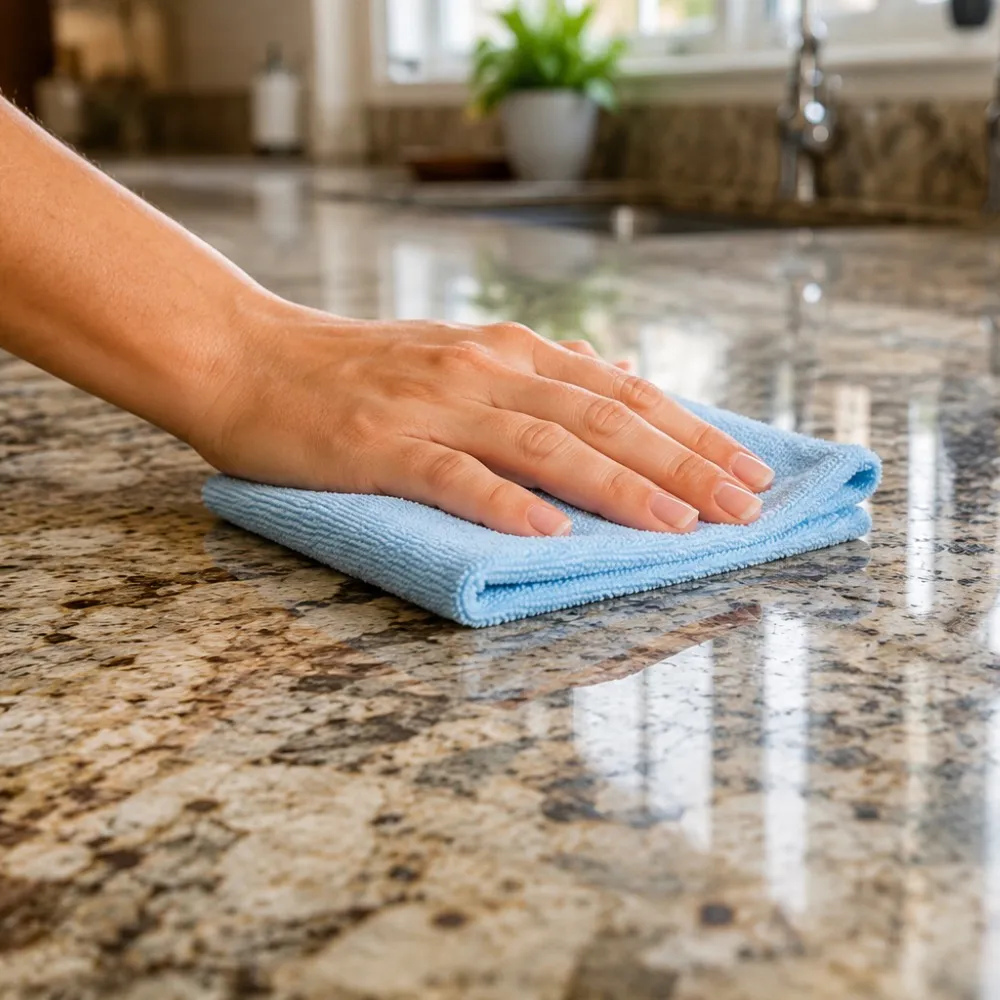
Beyond aesthetics, fewer joints simplify maintenance and improve hygiene, making
large-format slabs particularly suitable for kitchens, healthcare facilities, and
hospitality environments.

Bookmatched Stone Installations
Bookmatching has become one of the defining characteristics of luxury architectural
design. This fabrication technique involves placing two consecutive slabs side by side
so that their natural veining mirrors each other, creating a symmetrical composition
similar to the pages of an open book.
Rather than functioning merely as a building material, bookmatched stone becomes
an architectural artwork. Dramatic marbles, exotic quartzites, and highly figured
granites are particularly well suited to this application because of their bold natural
patterns.
Bookmatched installations are commonly featured in hotel lobbies, executive
offices, luxury residences, retail boutiques, restaurants, and corporate headquarters
where they establish a memorable focal point and reinforce a sense of exclusivity
Textured Stone Finishes
While polished stone remains synonymous with luxury, modern design increasingly
favors finishes that emphasize the stone’s natural texture. Honed, leathered,
brushed, flamed, and bush-hammered finishes offer architects greater flexibility by
combining visual appeal with enhanced functionality. These finishes reduce glare, improve slip resistance, conceal everyday wear, and
create more tactile surfaces that encourage interaction with the material. Textured
finishes are particularly popular in wellness facilities, contemporary residences,
outdoor landscapes, and commercial environments where comfort and practicality
are equally important.
The growing appreciation for authentic materials has shifted design preferences
toward finishes that celebrate the natural character of stone rather than masking it
beneath a highly reflective surface.
Natural Colors and Organic Patterns
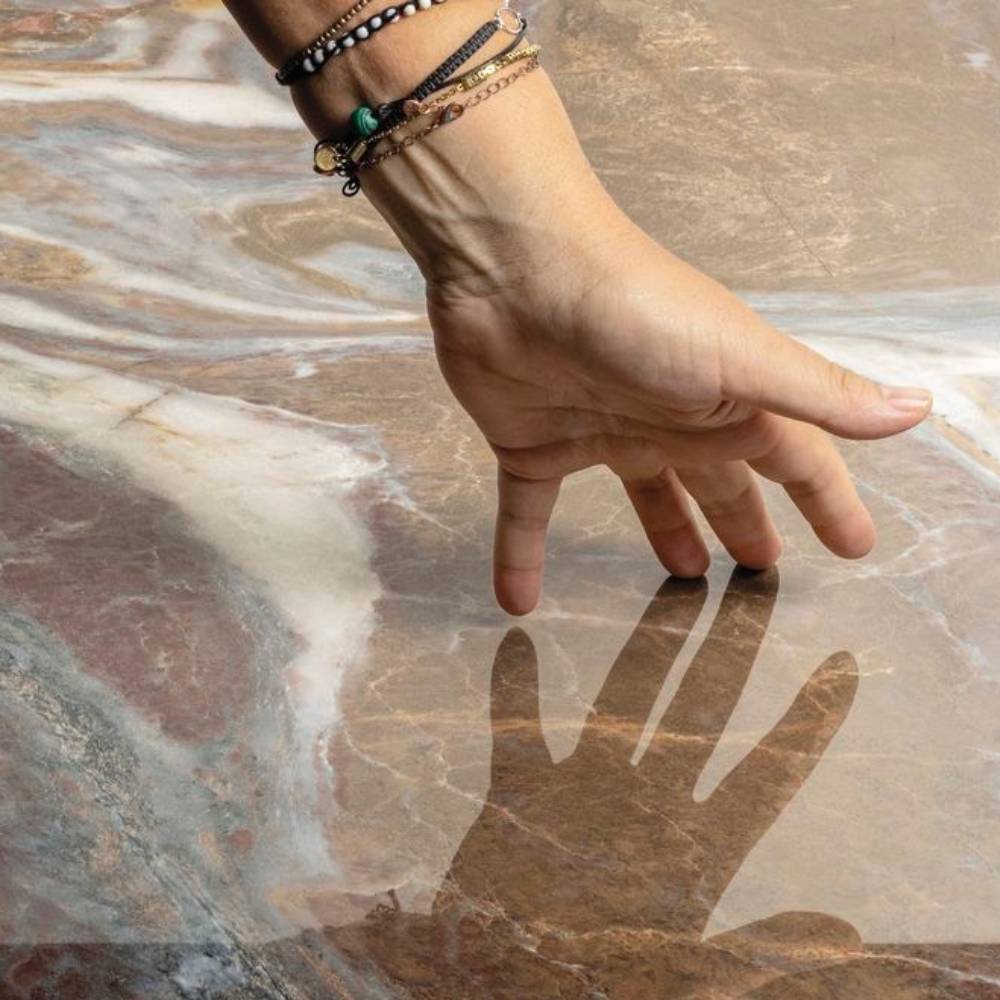
Contemporary architecture increasingly embraces the inherent uniqueness of
natural stone. Rather than seeking perfectly uniform materials, architects appreciate
the subtle variations in color, veining, mineral composition, and texture that
distinguish every slab.
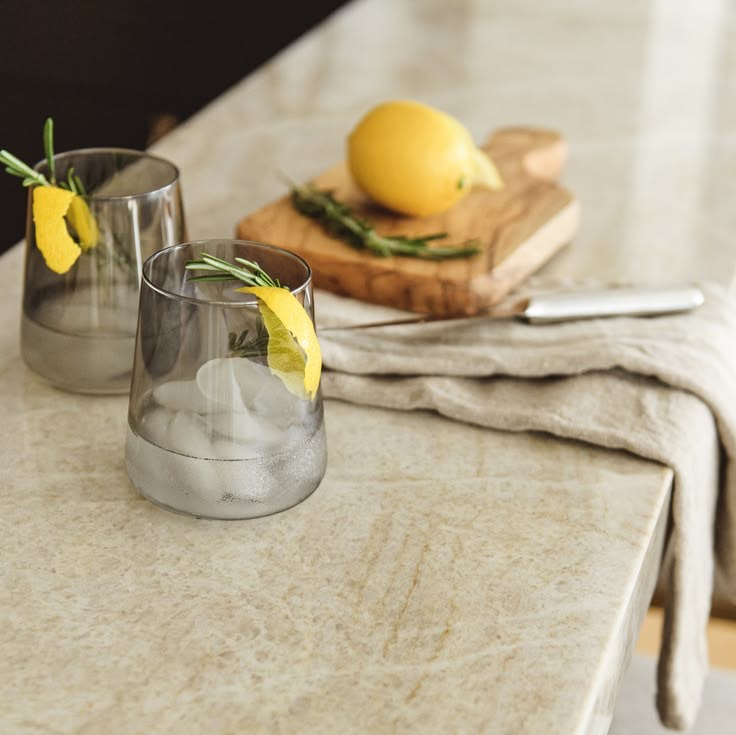
White marbles with bold grey veining, elegant beige limestones, dramatic green
marbles, richly textured quartzites, and deep black granites continue to dominate
premium architectural projects because they provide individuality that
manufactured materials cannot replicate.
These natural variations create spaces with depth, warmth, and authenticity while
reinforcing the exclusive nature of each installation.

Combining Stone with Other Materials
Modern architecture often relies on carefully balanced material combinations to
create visually engaging environments. Natural stone pairs exceptionally well with
timber, glass, steel, concrete, and bronze, allowing architects to balance warmth,
transparency, texture, and structural expression.
Wood introduces warmth and comfort, glass maximizes natural light, metal
contributes precision and contemporary elegance, while stone provides
permanence, richness, and timeless character. The successful integration of these materials creates harmonious interiors that feel
both modern and enduring, demonstrating the versatility of natural stone across a
wide range of architectural styles.
Biophilic Design
Biophilic design seeks to strengthen the relationship between people and the
natural environment by incorporating organic materials, natural light, vegetation,
and authentic textures into architectural spaces.
Natural stone plays an important role in this design philosophy because every slab
reflects millions of years of geological history through its unique mineral
composition and patterns. Unlike synthetic materials, stone introduces genuine
natural variation that contributes to calming, comfortable, and visually balanced
environments.
As demand for healthier and more sustainable buildings continues to grow, biophilic
design has become one of the strongest influences on modern architecture, further
increasing the popularity of natural stone.
Natural Stone in Luxury Hospitality and Retail Design
Luxury hotels, resorts, restaurants, flagship retail stores, and premium commercial
spaces increasingly rely on natural stone to create memorable environments that
communicate quality and sophistication. Beyond its visual appeal, natural stone
offers exceptional durability, making it well suited to areas that experience constant
public use.
Marble reception desks, quartzite feature walls, granite flooring, limestone façades,
and custom stone furniture all contribute to creating distinctive interiors that leave a
lasting impression. Because every slab is unique, architects can create exclusive
spaces that cannot be replicated with manufactured materials.
Outdoor Living Spaces
Modern architecture increasingly extends interior living areas into outdoor
environments. Patios, terraces, swimming pools, outdoor kitchens, fire features, and
landscaped gardens are now designed as natural extensions of the home rather
than separate spaces.
Natural stone plays a central role in these environments because it combines
durability with timeless aesthetics. Granite, limestone, sandstone, quartzite, and
travertine are frequently selected for outdoor applications due to their ability to
withstand changing weather conditions while maintaining their appearance for
many years.
When paired with appropriate finishes such as flamed, brushed, or bush-hammered
surfaces, natural stone also provides improved slip resistance and long-term safety.
Sustainable Architecture
Sustainability has become a major priority in modern construction, influencing how
architects select materials and design buildings. Natural stone is increasingly
recognized as a responsible building material because of its exceptional longevity
and ability to remain functional for decades, often requiring fewer replacements
than many manufactured alternatives.
Unlike products that may deteriorate quickly, high-quality natural stone can often be
restored, refinished, reused, or repurposed at the end of its initial application. This
extended life cycle reduces waste and supports sustainable design principles.
Its timeless appearance also allows buildings to remain visually relevant for
generations, reducing the need for frequent renovations driven by changing design
trends.
Precision Fabrication and Digital Technology
Advancements in digital design and stone fabrication have transformed what
architects can achieve with natural stone. Computer Numerical Control (CNC)
machining, waterjet cutting, laser measurement, and advanced polishing
technologies enable the production of highly accurate components while preserving
the integrity of the material.
These innovations allow designers to incorporate intricate geometric patterns,
curved walls, decorative panels, custom edge profiles, sculptural furniture, and
bespoke architectural details that were once extremely difficult to manufacture.
Modern fabrication techniques have significantly expanded the creative possibilities
of natural stone while improving production efficiency and installation accuracy.
Natural Stone Furniture
Natural stone is no longer limited to architectural surfaces. Increasingly, designers
are incorporating marble, quartzite, granite, and travertine into furniture collections
that combine functionality with sculptural beauty.
Dining tables, coffee tables, kitchen islands, consoles, shelving, reception desks, side
tables, and custom cabinetry all showcase the versatility of natural stone. These
pieces often become focal points within a space, celebrating the unique veining and
character of each slab.
The growing popularity of bespoke stone furniture reflects the desire for durable,
timeless designs that combine craftsmanship with natural elegance.
Statement Staircases
Architectural staircases have evolved from purely functional elements into dramatic
design features. Natural stone is frequently used to create floating staircases,
cantilevered treads, sculptural spiral stairs, and monumental entrance staircases
that become defining characteristics of a building.
Whether crafted from marble, granite, or quartzite, stone staircases convey
permanence, sophistication, and architectural confidence while maintaining
exceptional structural performance. Integrated lighting, concealed supports, and precision fabrication further enhance
their visual impact.

Illuminated Stone
One of the most striking innovations in contemporary interior design is the use of
translucent natural stone combined with integrated lighting. Materials such as onyx
and selected translucent marbles allow light to pass through the stone, revealing
intricate mineral structures and creating extraordinary visual effects.
Backlit feature walls, reception counters, bars, bathroom vanities, and decorative
panels demonstrate how lighting can transform natural stone into an artistic
architectural element.
This approach combines natural beauty with modern technology, producing spaces
that feel luxurious, dramatic, and unforgettable.
Minimalist Architecture
Minimalist architecture emphasizes simplicity, clean lines, and carefully selected
materials. Natural stone complements this design philosophy by introducing
warmth, texture, and authenticity without unnecessary ornamentation.
Large uninterrupted stone surfaces, subtle color palettes, and precision detailing
allow the material itself to become the primary visual feature. White marble, light
limestone, neutral travertine, and elegant quartzite are frequently chosen for
minimalist interiors because they provide visual interest while maintaining a calm
and refined atmosphere.
Looking to the Future
The future of natural stone continues to evolve through advances in technology,
fabrication, and sustainable construction practices. Larger slab formats, thinner
stone panels, ventilated façades, precision CNC manufacturing, and innovative
installation systems are expanding the range of architectural possibilities. At the same time, increasing appreciation for authentic materials and
environmentally responsible design ensures that natural stone will remain a
preferred choice for architects seeking materials that combine beauty, durability,
and longevity.
Rather than replacing traditional craftsmanship, modern technology is enabling
designers to express it in new and increasingly creative ways.
Design Considerations for Architects and Designers
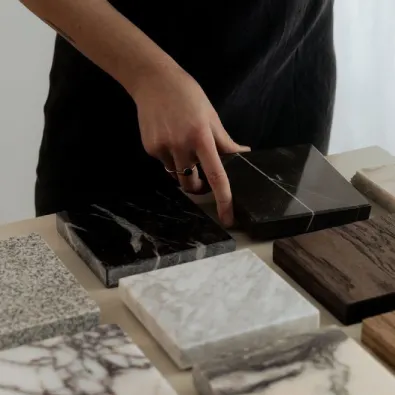
Selecting natural stone involves balancing aesthetics with technical performance.
Factors such as stone type, finish, color variation, durability, maintenance
requirements, structural conditions, climate, and intended use should all be
carefully evaluated during the design process.
Early collaboration between architects, designers, fabricators, and suppliers helps
ensure that the selected material meets both creative and functional objectives
while minimizing installation challenges.
A thoughtful specification process allows natural stone to perform successfully
throughout the life of the building while preserving its architectural character.
Conclusion
Natural stone continues to define the highest standards of architecture and interior
design by combining timeless beauty with exceptional performance. From large-
format slabs and bookmatched installations to sustainable construction, precision
fabrication, bespoke furniture, and innovative lighting applications, today’s design
trends demonstrate the remarkable versatility of this natural material.
As architecture continues to embrace authenticity, craftsmanship, and
environmental responsibility, natural stone remains one of the few materials
capable of bridging tradition and innovation. Its unique geological character,
durability, and design flexibility ensure that it will continue to inspire architects and designers in creating spaces that are elegant, functional, and built to stand the test
of time.