Granite
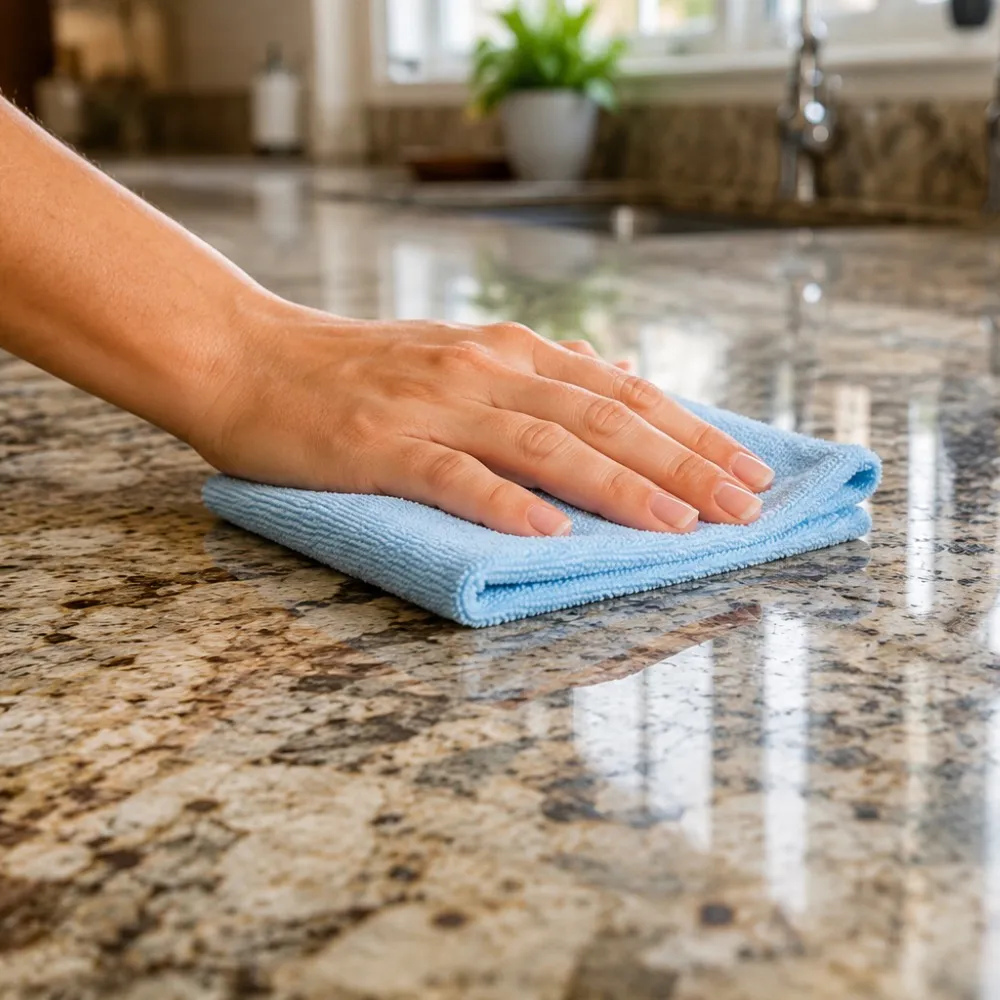
Granite is one of the world’s most durable and widely used natural stones, formed through the slow
crystallization of magma deep beneath the Earth’s surface. Composed primarily of quartz, feldspar,
and mica, granite is renowned for its exceptional strength, distinctive crystalline appearance, and
long-term performance. Its durability and timeless elegance make it a preferred material for both
residential and commercial architecture
Physical Characteristics
Granite is an extremely dense, hard-wearing igneous stone with excellent resistance to scratches,
heat, abrasion, and weathering. Its low porosity and high compressive strength make it suitable for
demanding environments, while proper sealing helps maintain its appearance and stain resistance.
Architectural Applications
- Kitchen countertops
- Bathroom vanities
- Flooring
- Staircases
- Exterior façades
- Wall cladding
- Monuments
- Commercial interiors
- Landscape paving
Performance Benefits - Exceptional durability
- High scratch and heat resistance
- Suitable for interior and exterior use
- Wide variety of natural colors and patterns
- Low maintenance with proper sealing
- Long service life
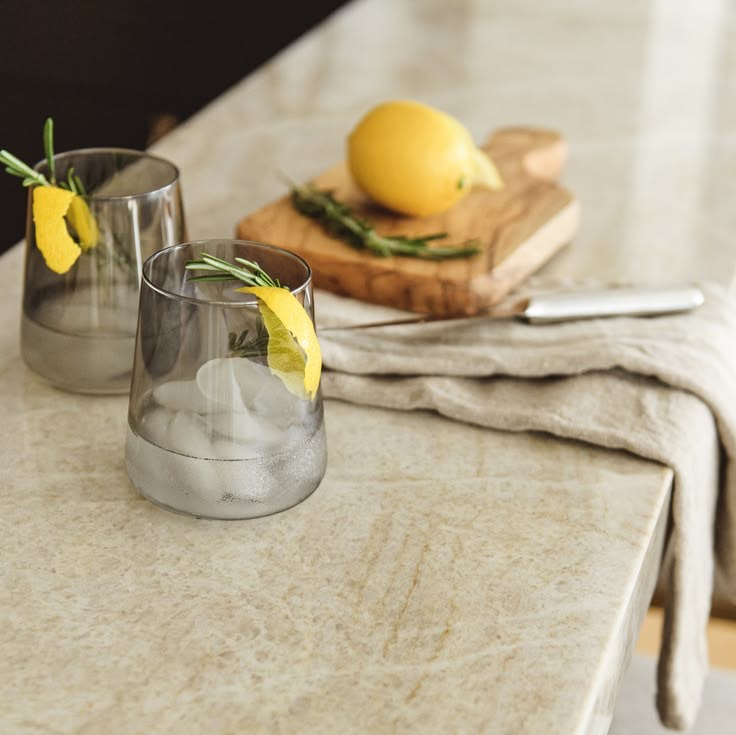
Quartzite
Quartzite is a premium metamorphic natural stone formed when sandstone is subjected to intense
heat and pressure over millions of years. This geological transformation produces an exceptionally
dense and durable material with remarkable natural beauty. Combining the elegant appearance of
marble with the strength of granite, quartzite is highly sought after for luxury architectural and
interior applications

Physical Characteristics
Quartzite consists primarily of recrystallized quartz, giving it outstanding hardness, abrasion
resistance, and durability. It is highly resistant to scratches, heat, and weathering. Proper sealing
enhances resistance to staining while preserving its natural finish.
Architectural Applications
- Luxury kitchen countertops
- Bathroom vanities
- Feature walls
- Flooring
- Staircases
- Exterior cladding
- Fireplace surrounds
- Commercial interiors
- Outdoor landscaping
Performance Benefits
- Exceptional hardness and durability
- Superior scratch resistance
- High heat resistance
- Suitable for indoor and outdoor applications
- Elegant natural veining
- Low maintenance
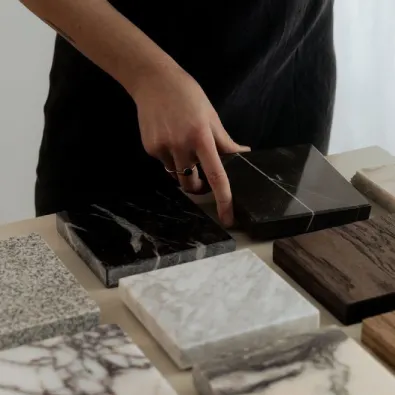
Marble
Marble is a timeless metamorphic natural stone formed through the recrystallization of limestone
under heat and pressure. Celebrated for centuries in architecture, sculpture, and interior design,
marble is distinguished by its refined veining, luminous surface, and sophisticated elegance. It
remains one of the most prestigious materials used in luxury residential, hospitality, and commercial
projects.

Physical Characteristics
Marble features a dense crystalline structure with unique natural veining created by mineral
impurities. While softer than granite and quartzite, it can be polished to an exceptional finish. Proper
sealing and routine care help preserve its beauty.
Architectural Applications
- Flooring
- Wall cladding
- Bathroom surfaces
- Kitchen islands
- Fireplaces
- Staircases
- Hotel lobbies
- Reception areas
- Decorative elements
Performance Benefits
- Timeless luxury aesthetic
- Distinctive natural veining
- Highly polished finish
- Excellent workability
- Adds value
- Every slab is unique
Limestone
Limestone is a classic sedimentary natural stone formed over millions of years through the
accumulation of marine minerals and organic materials. Appreciated for its subtle textures, soft
color palette, and understated elegance, limestone has been used in some of the world’s most
iconic buildings.

Physical Characteristics
Limestone is moderately dense with a naturally matte appearance and consistent texture. Proper
sealing enhances durability and protects against moisture and staining
Architectural Applications
- Exterior façades
- Wall cladding
- Flooring
- Landscape paving
- Pool surrounds
- Staircases
- Commercial developments
- Residential architecture
Performance Benefits
- Natural elegance
- Consistent texture and color
- Excellent design versatility
- Suitable for large architectural surfaces
- Timeless appearance
- Sustainable natural material
Sandstone
Sandstone is a durable sedimentary natural stone created through the compression and
cementation of sand-sized mineral particles over millions of years. Known for its warm earth tones,
natural textures, and versatility, sandstone has been widely used in architecture and landscape
design.

Physical Characteristics
Sandstone possesses a naturally textured surface with moderate strength and excellent slip
resistance when finished appropriately. Proper sealing improves long-term performance.
Architectural Applications
- Exterior paving
- Landscape architecture
- Garden pathways
- Wall cladding
- Pool decks
- Flooring
- Courtyards
- Public spaces
Performance Benefits
- Natural warm aesthetics
- Excellent outdoor performance
- Slip-resistant options
- Wide variety of colors and textures
- Durable under varying climates
- Easy integration with landscape design
Onyx
Onyx is one of the rarest and most luxurious natural stones, formed through the gradual deposition
of calcium carbonate from mineral-rich water in caves and thermal springs. Distinguished by its
exceptional translucency and striking natural banding, onyx creates dramatic visual effects unlike
any other natural stone.
Physical Characteristics
Onyx features a smooth crystalline structure with remarkable translucency. Compared with granite
and quartzite, it is softer and requires careful fabrication, installation, and maintenance. Regular
sealing helps preserve its appearance.
Architectural Applications
- Backlit feature walls
- Reception desks
- Luxury bathroom vanities
- Decorative wall panels
- Bar counters
- Fireplace surrounds
- Hotel lobbies
- Premium retail interiors
Performance Benefits
- Exceptional translucency
- Stunning backlit applications
- Unique natural banding
- Exclusive luxury appeal
- Every slab is one of a kind
- Creates dramatic focal points
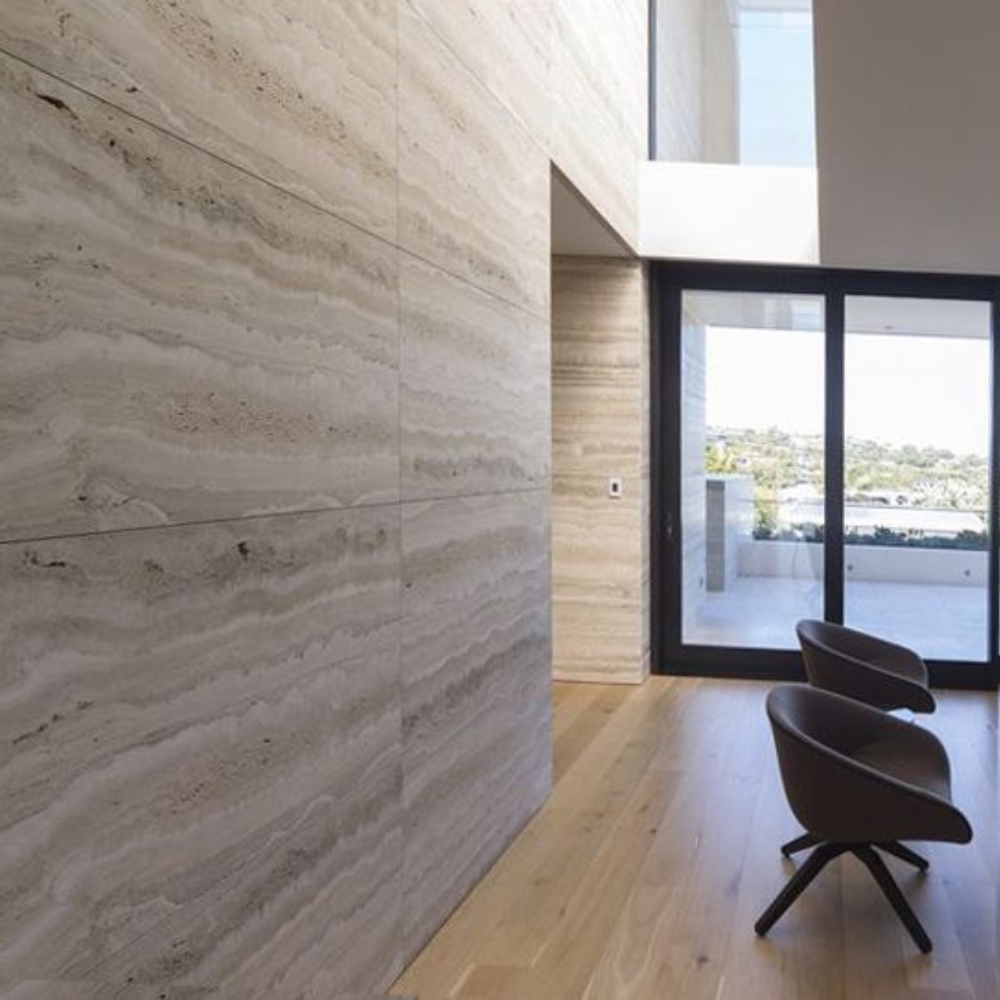
Travertine
Travertine is a distinctive sedimentary natural stone formed by the precipitation of calcium
carbonate from mineral springs. Characterized by its naturally textured surface, warm earthy tones,
and unique porous structure, it has been a defining architectural material since ancient Roman
times.
Physical Characteristics
Travertine features naturally occurring pores and subtle linear movement. It is available in filled or
unfilled finishes and can be honed, polished, brushed, or tumbled. Proper sealing improves
durability and stain resistance.
Architectural Applications
- Flooring
- Wall cladding
- Bathroom surfaces
- Pool surrounds
- Outdoor paving
- Patios
- Staircases
- Landscape architecture
- Luxury residential projects
Performance Benefits
- Timeless architectural appeal
- Naturally warm color palette
- Suitable for interior and exterior applications
- Multiple finish options
- Comfortable underfoot
- Distinctive natural texture