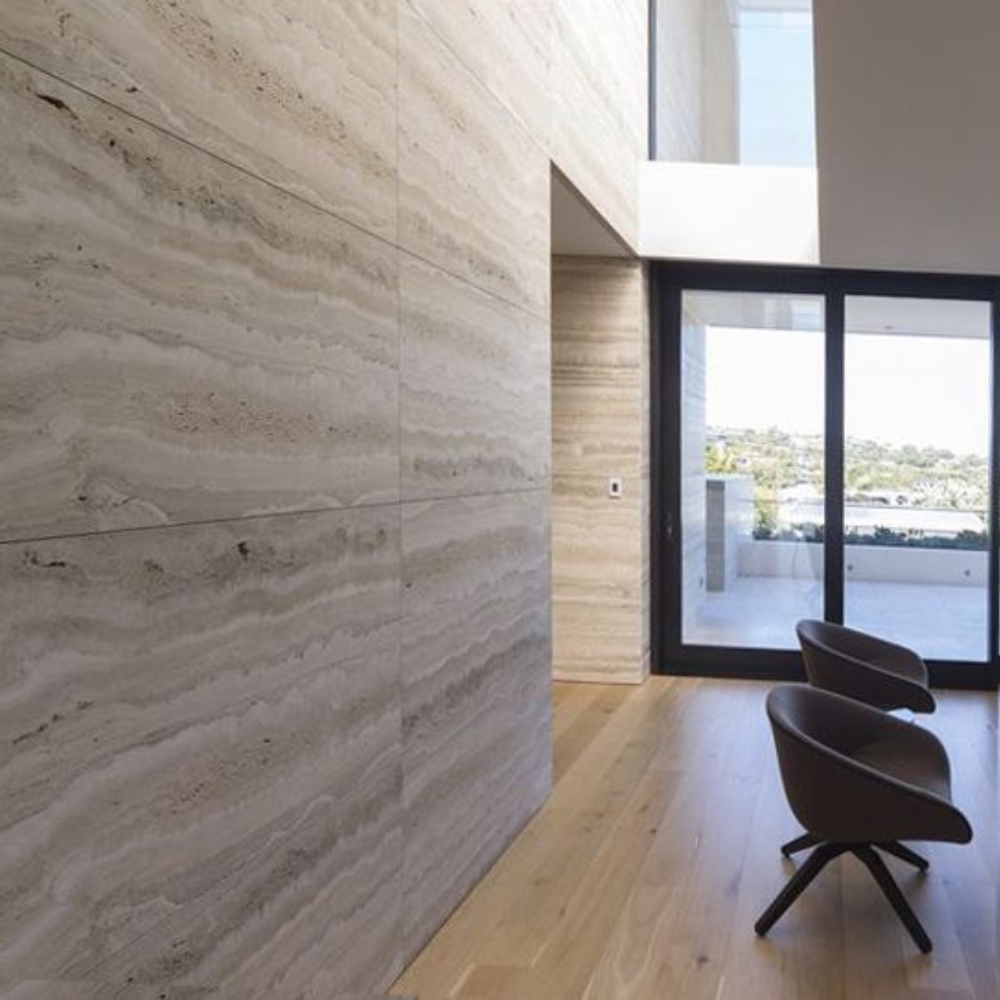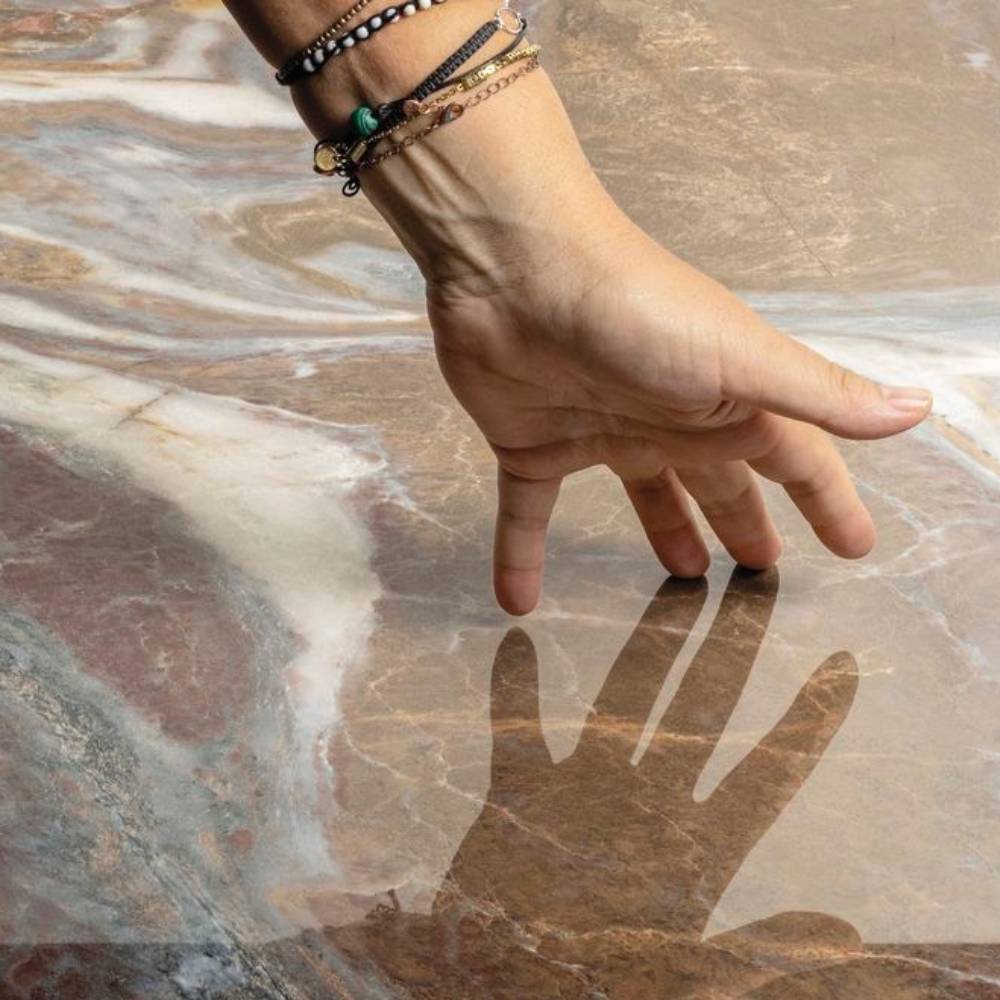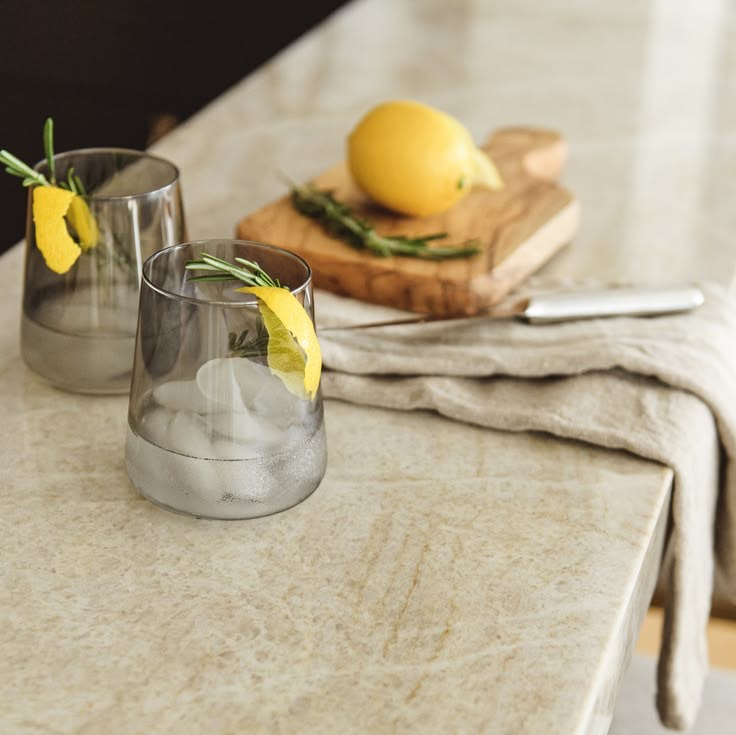
Natural stone has been one of the most valued building materials for centuries. Its durability, timeless beauty, and unique natural patterns make it an excellent choice for residential, commercial, and architectural projects. Whether you are selecting granite for a kitchen countertop, marble for a luxury bathroom, or quartzite for an exterior façade, understanding proper care, maintenance, and material selection is essential for maximizing long-term performance.
This guide covers everything you need to know about natural stone, including cleaning and maintenance, material comparisons, architectural applications, surface finishes, sustainability, and selecting a reliable stone supplier.
Natural Stone Care & Maintenance
Proper maintenance is the key to preserving the beauty and durability of natural stone. With the correct cleaning methods and regular care, natural stone surfaces can remain attractive for decades.
Daily Cleaning
Routine cleaning removes dust, dirt, oils, and moisture before they affect the surface finish.
For everyday maintenance:
- Clean with a soft microfiber cloth or a non-abrasive sponge.
- Use warm water together with a pH-neutral stone cleaner.
- Dry the surface after cleaning to prevent water spots and mineral deposits.
Avoid using abrasive materials that may damage the protective seal or scratch the stone surface.
Cleaners to Avoid
Certain household cleaners can permanently damage natural stone, especially calcium-based materials such as marble and limestone.
Avoid using:
- Vinegar
- Lemon or citrus cleaners
- Bleach
- Ammonia
- Abrasive cleaning powders
- Acid-based bathroom and kitchen cleaners
These products may cause etching, discoloration, dullness, or loss of polish.
Removing Common Stone Stains
Different stains require different treatment methods.
Oil and Grease Stains
Apply a stone-safe poultice or a baking soda paste, leave it on the stained area for several hours, then gently wipe clean and rinse thoroughly.
Food and Beverage Stains
Blot spills immediately before they penetrate the surface. Clean with a pH-neutral stone cleaner. Deep stains may require a poultice treatment.
Water Spots and Mineral Deposits
Clean with distilled warm water and dry immediately. If necessary, use a stone-safe mineral deposit remover.
Mold and Mildew
Use a stone-safe mold remover, improve ventilation, and reseal the surface if moisture penetration becomes frequent.
Preventing Etching
Marble and limestone are particularly vulnerable to acidic substances.
Common causes include:
- Wine
- Lemon juice
- Vinegar
- Soft drinks
- Acidic household cleaners
To prevent etching:
- Use coasters and trays.
- Wipe spills immediately.
- Avoid direct contact between acidic products and the stone surface.
Minor etching can often be corrected using marble polishing powder or professional polishing products. Deep etching generally requires professional refinishing.
Sealing Natural Stone
Sealing helps protect natural stone against moisture absorption and staining.
General recommendations include:
- Kitchen countertops: every 6–12 months
- High-traffic flooring: based on wear
- Outdoor installations: more frequent sealing due to weather exposure
Signs that resealing is needed include:
- Water absorbs quickly into the surface.
- Dark spots appear after moisture exposure.
- Increased staining sensitivity.
Cleaning Different Types of Natural Stone
Every stone has unique maintenance requirements.
- Granite: Extremely durable and relatively low maintenance.
- Quartzite: Highly durable but should be sealed periodically.
- Marble: Elegant yet sensitive to acids and scratches.
- Travertine & Limestone: Softer, more porous stones that require additional care.
- Sandstone: Highly porous and particularly sensitive to moisture.
Long-Term Maintenance Tips
To maximize the lifespan of natural stone:
- Use coasters, trivets, and cutting boards.
- Avoid dragging heavy objects across the surface.
- Clean spills immediately.
- Place mats in high-traffic areas.
- Reseal surfaces regularly.
- Avoid prolonged moisture exposure.
Professional Stone Restoration
Professional restoration services such as polishing, honing, sealing, crack repair, and refinishing can restore the original appearance of natural stone while significantly extending its lifespan.
Material Comparisons
Selecting the right natural stone depends on durability, appearance, maintenance requirements, and intended use.
Granite vs Quartzite
Granite is highly durable, scratch resistant, and easy to maintain. Quartzite offers even greater hardness, superior heat resistance, and elegant natural veining, making it an outstanding choice for premium interiors.
Marble vs Quartzite Countertops
Marble is admired for its timeless luxury and sophisticated appearance, while quartzite provides greater durability and requires less maintenance, making it ideal for busy kitchens.
Natural Stone vs Artificial Materials
Natural stone provides authentic beauty, unique textures, excellent heat resistance, long-term durability, and lasting value that engineered materials cannot fully replicate.

Kitchen & Bathroom Applications
Natural stone remains one of the most popular materials for residential interiors because it combines functionality with timeless elegance.
Best Natural Stone for Kitchen Countertops
Granite, quartzite, and marble remain among the most preferred materials due to their durability, heat resistance, and premium aesthetics.
Is Marble Suitable for Kitchens?
Yes. Marble has been used in kitchens for centuries because of its elegant appearance and naturally cool surface. With proper sealing and routine maintenance, marble countertops can maintain their beauty for many years.
Best Stone for Bathroom Vanities
Quartzite and granite perform exceptionally well in bathrooms because of their lower porosity and excellent resistance to moisture.
Design & Architecture
Natural stone continues to play a central role in contemporary architecture, combining aesthetics with structural performance.
Natural Stone Trends in Modern Architecture
Current design trends include:
- Large-format stone slabs
- Neutral color palettes
- Matte and textured finishes
- Indoor-outdoor continuity
- Minimalist architectural design
Granite, marble, quartzite, and limestone continue to define luxury residential and commercial projects worldwide.
Choosing Stone for Exterior Facades
Granite and quartzite are ideal for exterior façades because of their excellent weather resistance, durability, and low water absorption.
Best Natural Stone for Luxury Projects
Luxury residences, hotels, commercial developments, and public buildings frequently utilize marble, quartzite, and granite because of their premium appearance, long lifespan, and timeless value.
Stone Finishes & Surfaces
The finish applied to natural stone affects both its appearance and practical performance.
Polished vs Honed Stone Finishes
A polished finish creates a glossy reflective surface that enhances color depth and highlights natural veining.
A honed finish provides a smooth matte appearance with understated elegance while reducing glare.
What Is a Leathered Stone Finish?
Leathered finishes create a textured matte surface that enhances the natural character of granite and quartzite while reducing fingerprints and reflections.
Choosing the Right Stone Finish
The appropriate finish depends on the intended application, desired appearance, maintenance expectations, and functional requirements of the space.

Industry & Supply Knowledge
Understanding how natural stone reaches the final project helps buyers make informed purchasing decisions.
From Quarry to Project: The Journey of Natural Stone
Natural stone begins as large quarry blocks before undergoing cutting, processing, polishing, quality inspection, fabrication, and final installation for residential or commercial applications.
Understanding Stone Blocks & Slabs
Stone blocks are large raw sections extracted directly from quarries. These blocks are processed into slabs that are fabricated into countertops, flooring, wall cladding, staircases, and other architectural elements.
How to Choose a Reliable Stone Supplier
A professional supplier should provide:
- Consistent product quality
- Reliable sourcing
- Professional logistics support
- Accurate material specifications
- Long-term customer service
Sustainability & Natural Stone
Natural stone is one of the world’s most sustainable building materials because of its durability, longevity, and minimal manufacturing requirements.
Is Natural Stone Sustainable?
Unlike many manufactured products, natural stone requires relatively little chemical processing and offers exceptional service life, reducing replacement cycles and construction waste.
Why Natural Stone Is a Long-Term Investment
Its extraordinary durability minimizes maintenance costs, replacement expenses, and environmental impact while preserving long-term architectural value.
Natural Stone & Environmental Responsibility
Responsible quarrying practices may include:
- Efficient extraction methods
- Reduced material waste
- Water recycling systems
- Energy-efficient processing
- Land rehabilitation programs
Benefits of Natural Stone in Sustainable Architecture
Natural stone contributes to sustainable construction by offering:
- Excellent thermal performance
- Long service life
- Recyclability
- Reduced lifecycle environmental impact
Common applications include:
- Exterior façades
- Flooring systems
- Ventilated cladding
- Landscaping
- Interior wall applications
- Commercial architecture
Natural Stone vs Engineered Materials
Natural stone generates less long-term waste while maintaining timeless visual appeal, structural durability, and lasting architectural value.
Sustainable Design Through Timeless Materials
Sustainability extends beyond environmental performance. It also involves designing buildings that remain functional, durable, and visually relevant for generations.
Natural stone has shaped architecture for centuries because it combines engineering performance with timeless beauty. Granite, quartzite, marble, limestone, and travertine continue to define luxury architecture while supporting sustainable building practices.
By selecting durable natural materials, architects, designers, builders, and homeowners can reduce replacement cycles, minimize environmental impact, and create lasting value for future generations.